

Bore water stains from iron and rust can damage driveways, walls, and irrigation systems. Choosing the right bore water stain remover depends on your surface type—porous materials like concrete need different products than non-porous surfaces like stainless steel. This guide helps you select the best solution and apply it safely.
Finding the right bore water stain remover can feel overwhelming when you’re facing stubborn orange-brown marks across your driveway, paths, and walls. Bore water is a lifeline for many Australian properties, particularly in rural and regional areas where town water isn’t available. However, that same water often brings an unwelcome side effect: persistent iron and rust stains that seem impossible to remove. These stains appear on driveways, concrete paths, brick walls, irrigation equipment, and even inside pipes and pumps.
What Causes Bore Water Stains?
Bore water stains typically result from dissolved iron and manganese in groundwater. When this water contacts oxygen—whether through sprinklers, pumps, or surface exposure—the minerals oxidise and precipitate, leaving behind rust-coloured deposits. However, not all staining is the same, and understanding the difference helps you select the most effective bore water stain remover.
Iron Oxide vs Iron Bacteria Staining
Iron oxide staining occurs through simple chemical oxidation. Dissolved iron in your bore water reacts with oxygen and forms rust deposits on surfaces and inside equipment. This process is purely chemical and relatively straightforward to address with the right stain remover.

Iron-related bacteria (IRB) present a more complex challenge. These naturally occurring microorganisms feed on dissolved iron and manganese, creating sticky biofilms and accelerating mineral precipitation. IRB activity is particularly common in the upper sections of bore screens and around pump inlets where oxygen levels are higher. While IRB pose no health risk, they significantly worsen staining and can reduce bore yield by clogging screens and pipes.
Importantly, the type of staining influences your cleaning approach. Surface stains from iron oxide can be removed with appropriate stain removers, while IRB fouling inside bores and pumps requires specialised bore cleaning products designed to dissolve biofilms and mineral encrustations.
Understanding Surface Types for Bore Water Stain Removal
Before selecting a bore water stain remover, you must identify your surface type. This distinction determines which products will work effectively and safely, preventing wasted time and potential surface damage.
Porous Surfaces Requiring Specialised Stain Removers
Porous materials have microscopic holes and channels that absorb liquids. Common porous surfaces around Australian properties include concrete driveways and paths, clay or concrete pavers, exposed brick and render, natural stone like sandstone, and unglazed terracotta. These materials allow stains to penetrate deeply, making them harder to remove and requiring more aggressive bore water stain remover formulations.

Non-Porous Surfaces and Stain Removal
Non-porous surfaces have sealed or naturally impermeable structures that resist absorption. Examples include stainless steel and galvanised pipes, PVC and polyethylene fittings, glazed tiles and porcelain, sealed concrete or stone, and painted or powder-coated metal. Stains sit on the surface rather than penetrating, making removal easier but still requiring appropriate products to avoid damage.
Using the wrong product type can lead to poor results or even surface damage. A formula designed for porous concrete may be too weak for effective cleaning of non-porous metal, while a product formulated for non-porous surfaces might not penetrate deeply enough into porous materials.
Choosing the Right Bore Water Stain Remover
The Australian market offers various bore water stain removers, but not all deliver the same results. When selecting a product, consider these essential factors to ensure you’re getting an effective solution for your specific staining problem.
Key Features in Effective Stain Removers
Look for formulations specifically designed for bore water iron and rust stains rather than general rust removers. The chemistry matters—products formulated for bore water staining address both iron oxide and the organic compounds from iron bacteria. Additionally, prioritise biodegradable and environmentally safe options, especially if runoff will enter gardens, lawns, or natural waterways.
Surface compatibility is crucial. Ensure the bore water stain remover matches your surface type—porous or non-porous. Australian-made products often perform better in local conditions because they’re formulated for Australian water chemistry and environmental standards. Finally, check for clear dosage and coverage information to calculate how much product you’ll need and ensure cost-effectiveness.
Product Types Available for Different Surfaces
For porous surfaces like concrete, pavers, and brick, you need stronger bore water stain remover formulations that penetrate deeply and break down embedded iron deposits. These products typically require longer dwell times to work effectively but deliver superior results on stubborn stains that have penetrated the material structure.

For non-porous surfaces such as stainless steel, PVC, poly pipes, and sealed tiles, lighter formulations work effectively without the need for deep penetration. These bore water stain removers often work faster and require less product per square metre.
Some Australian manufacturers offer specialised bore cleaning products designed specifically for cleaning bore screens, pumps, and pipework from the inside. While these aren’t surface stain removers, they address the root cause of staining by removing iron bacteria and mineral build-up from your water system.
Safe and Effective Application of Bore Water Stain Removers
Proper application ensures effective stain removal while protecting yourself and your property. The process varies slightly between surface types, but several principles apply universally when using any bore water stain remover.
Preparation Steps Before Applying Stain Remover
Start by testing the product on a small, inconspicuous area to check compatibility and effectiveness. Remove loose debris and dirt from the stained surface—pressure washing can help, though it won’t remove iron stains on its own. Protect surrounding vegetation and surfaces that you don’t want treated, and ensure adequate ventilation if working in enclosed areas.
Application Process for Best Results
Always wear appropriate personal protective equipment (PPE) including gloves, eye protection, and protective clothing. Read and follow the manufacturer’s instructions carefully regarding dilution rates and application methods. Apply the bore water stain remover evenly across the stained area using a brush, sprayer, or cloth depending on the surface and product type.

Allow sufficient dwell time for the product to work—this varies from minutes to hours depending on stain severity and surface type. For porous surfaces, you may need to keep the surface damp during treatment to prevent the product from drying out before it has penetrated fully.
After the recommended dwell time, agitate the surface with a brush if needed, then rinse thoroughly with clean water. For large areas, a pressure washer can speed up the rinsing process. Dispose of rinse water responsibly according to local regulations and manufacturer guidelines.
Safety Considerations When Using Stain Removers
Most quality bore water stain removers are formulated to be safer than industrial acids, but they still require careful handling. Never mix different cleaning products, as chemical reactions can produce dangerous fumes or reduce effectiveness. Keep products away from children and pets, and store them in a cool, dry place away from direct sunlight.
If you’re treating large areas or working with particularly stubborn staining, consider working in sections rather than attempting the entire area at once. This approach allows you to manage the process more effectively and ensures consistent results.
Prevention: Reducing Future Bore Water Stains
While effective bore water stain removers solve existing problems, prevention strategies reduce the frequency and severity of future staining. Several approaches can help manage bore water staining long-term, minimising your need for repeated treatments.
Water System Maintenance to Prevent Staining
Regular bore and pump maintenance is your first line of defence against persistent staining. Iron bacteria and mineral deposits build up gradually in bore screens and pumps, increasing the iron content in your water and worsening surface staining. Periodic bore cleaning removes these accumulations, improving water quality and reducing staining potential.
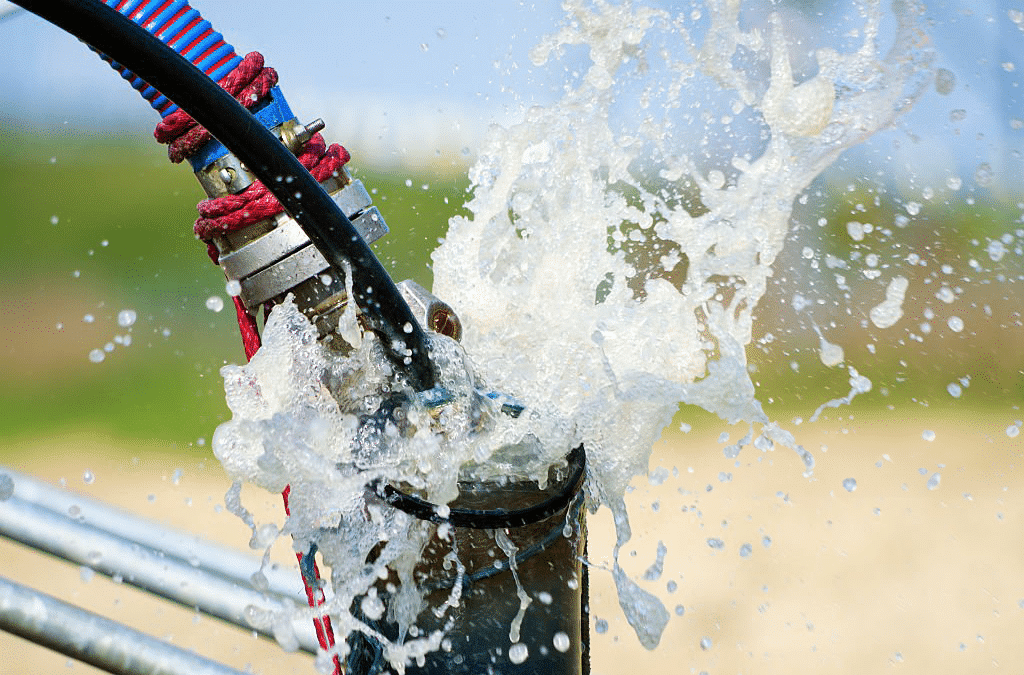
Pump efficiency also matters. When pumps struggle due to iron fouling, they can increase turbulence and oxygenation, accelerating iron precipitation. Maintaining pump performance through regular cleaning extends equipment life while reducing the frequency with which you’ll need bore water stain removers for surface cleaning.
Water Treatment Options
For properties with persistent staining issues, water treatment systems offer long-term solutions that reduce your reliance on surface stain removers. Iron filters remove dissolved iron before it reaches your taps, appliances, or irrigation system. These systems vary in complexity and cost but can dramatically reduce staining and protect equipment.
Settling tanks allow iron to precipitate before water reaches your irrigation system, reducing but not eliminating staining. This passive approach works well for irrigation applications where some iron content is acceptable.
Get Expert Solutions for Bore Water Staining
Bore water stains don’t have to be permanent. With the right product selection, proper application methods, and preventive maintenance, you can keep your property looking clean while protecting your bore water system. Whether you’re dealing with stubborn concrete staining or need to restore pump efficiency, choosing products specifically formulated for Australian bore water conditions makes all the difference.
FREQUENTLY ASKED QUESTIONS
What is the best bore water stain remover for concrete driveways?
For concrete driveways and other porous surfaces, you need a stain remover specifically formulated to penetrate deeply into the material. Look for products designed for porous surfaces that can break down embedded iron deposits. Australian-made biodegradable options formulated for bore water staining typically deliver the best results while being safer for surrounding vegetation and the environment.
Can I use the same product to remove stains from my stainless steel pump and concrete path?
No, you should use different products for porous and non-porous surfaces. Stainless steel pumps and pipes are non-porous and require a lighter formulation that won’t damage the metal surface. Concrete is porous and needs a stronger product that can penetrate and remove deeply embedded stains.
How do I prevent bore water stains from coming back?
Prevention involves both surface treatment and water system maintenance. Regular bore and pump cleaning removes iron bacteria and mineral deposits at the source, reducing the iron content in your water. You can also adjust sprinkler patterns to minimise overspray onto stain-prone surfaces, apply sealers to porous surfaces, and consider water treatment systems like iron filters for persistent issues.
Are bore water stain removers safe for plants and lawns?
Quality bore water stain removers formulated as biodegradable are generally safe when used according to manufacturer instructions. However, you should still protect surrounding vegetation during application and avoid concentrated runoff into garden beds. Always rinse thoroughly after treatment and follow disposal guidelines.
How long does it take to remove bore water stains?
Removal time varies depending on stain severity, surface type, and product used. Non-porous surfaces often respond within minutes to an hour, while porous surfaces with deep staining may require several hours of dwell time. Stubborn stains might need repeated applications. Always follow the manufacturer’s recommended dwell time for best results rather than rushing the process.