
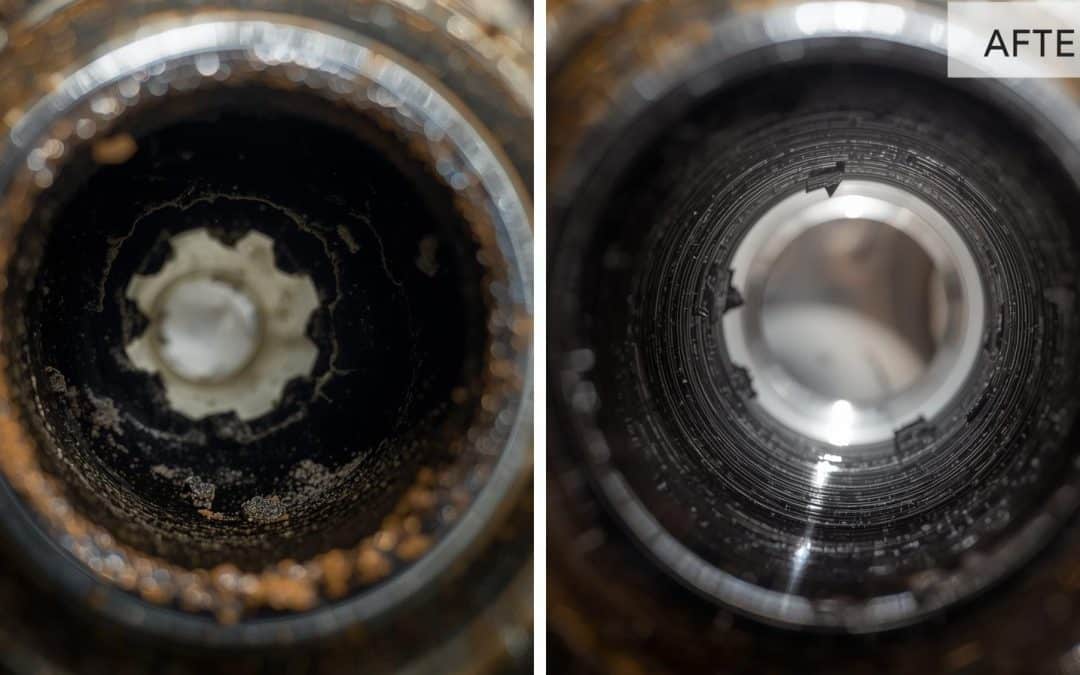
Regular bore water cleaning removes iron bacteria, biofilm, and mineral deposits from pumps, pipes, and screens — restoring water flow, protecting equipment, and extending the life of your bore system.
Why Bore Water Cleaning Matters
If you rely on a water bore for irrigation, farming, or household supply, keeping it clean matters. Over time, iron bacteria and mineral deposits build up inside the system. Without proper bore water cleaning, that buildup reduces water flow and strains the pump. Left untreated, it can eventually bring the whole system to a standstill.
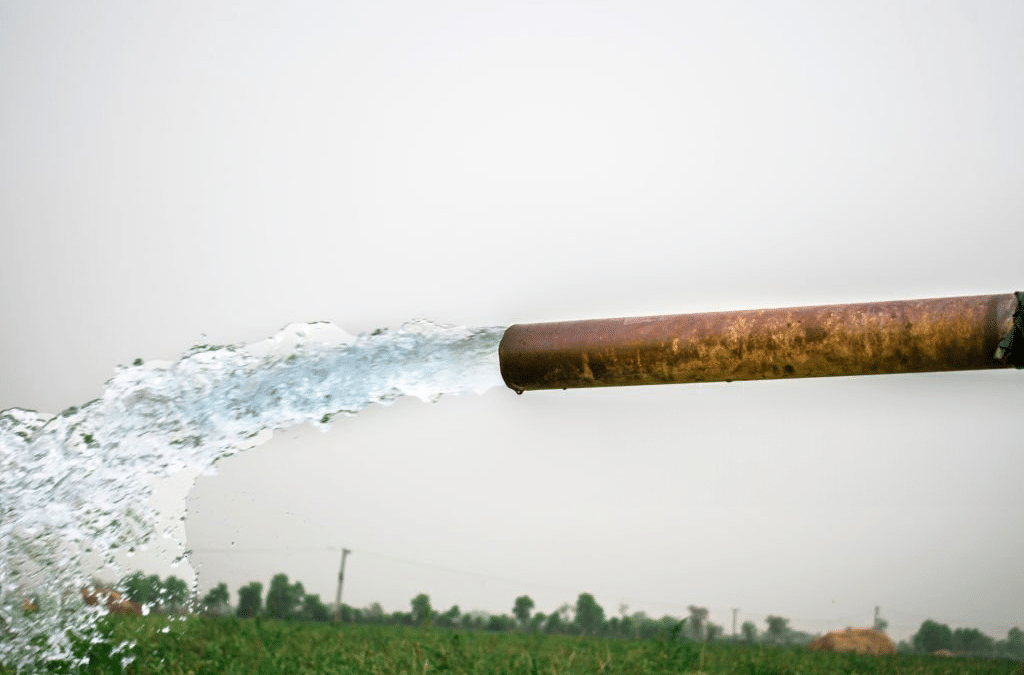
The good news is that these problems are entirely preventable. Furthermore, with the right approach, most bore systems can return to full performance — even after significant buildup. Understanding why cleaning matters is the first step toward protecting your investment.
Warning Signs Your Bore Needs Attention
Your bore system will often signal that it needs cleaning before a major problem develops. First, watch for a drop in water flow. When output decreases without a change in demand, blockages are likely forming inside the screen or pipework.
You might also notice darker water, an earthy smell, or a rusty tinge. Orange or brown deposits around sprinkler heads and tap outlets are another common indicator. In addition, your pump may start running louder or drawing more power than usual. Both signs suggest it is working harder to push water through a partially blocked system.
If you spot any of these warning signs, act quickly. The longer you leave buildup untreated, the more difficult and costly it becomes to fix.
What Happens Inside a Bore Without Regular Cleaning
Understanding the cause of the problem makes it easier to address. Iron-related bacteria (IRB) occur naturally in most Australian groundwater. As explained on the Clearbore iron bacteria information page, these bacteria feed on dissolved iron and produce a thick, sticky biofilm. That biofilm coats bore screens, pump intakes, and pipework. It traps more particles over time and hardens into mineral encrustations.
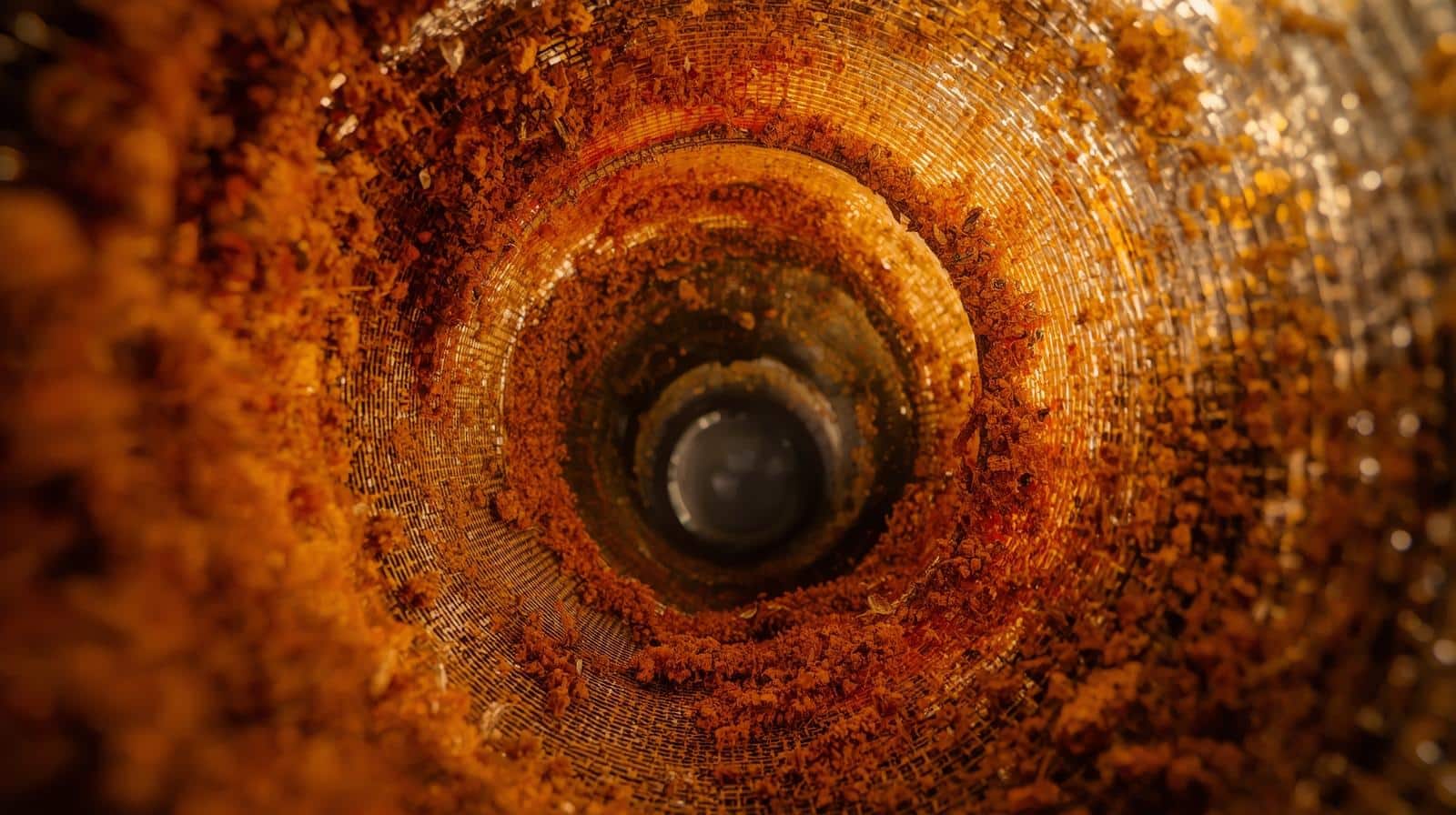
The result is a gradual but serious drop in bore performance. Biofouling hits hardest around the upper bore screen and near the pump inlet. Higher oxygen levels and water turbulence in these zones speed up bacterial activity. Because the bacteria do not pose a health risk, many bore owners miss the problem until flow rates fall significantly.
This is why routine bore water cleaning matters so much — it targets the biological cause, not just the visible symptoms.
How to Clean a Bore: Pumps, Pipes, and Screens Explained
Effective bore water cleaning involves more than flushing water through the system. You need a biodegradable cleaning solution that breaks down both the biological biofilm and the mineral encrustations that accumulate over time.
The most widely used method for Australian bores is the recirculation technique. A return pipe fits at the bore head. A cleaning solution goes into the casing while the pump circulates the mixture throughout the system. This lets the product reach the bore screen, pump impellers, pipework, and internal surfaces at the same time.
For iron fouling, farmers, councils, mining operations, and homeowners across Australia widely trust a biodegradable granular treatment like Clearbore. It has been in use for over 30 years and contains no harsh chlorine or heavy metals — keeping it safe for users, equipment, and the environment. The solution circulates for a minimum of six hours, dissolving blockages and restoring flow. After treatment, you flush the system thoroughly and test it to confirm the clean is complete.
Dosage depends on bore diameter and the depth of standing water. The Clearbore dosage table provides a straightforward guide covering small residential bores through to large industrial installations.
Severely blocked bores may also need mechanical brushing or airlifting before chemical treatment. However, for most routine maintenance and mild-to-moderate fouling, the recirculation method delivers excellent results.
Removing Rust Stains Left Behind by Bore Water
Bore water cleaning does not stop at the bore itself. Iron-rich water moving through irrigation systems and onto surfaces leaves rust-coloured stains on driveways, pavers, concrete, brickwork, and render. Many bore water users across Queensland, Western Australia, and South Australia know these orange marks well.
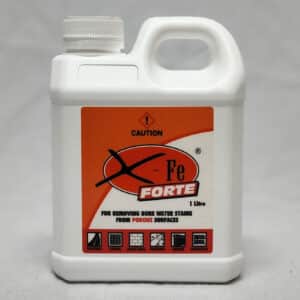
For non-porous surfaces such as stainless steel, PVC, and poly fittings, X-Fe targets iron and rust stains directly. It lifts those orange marks without damaging the surface. For porous surfaces like concrete, pavers, and render, X-Fe Forte goes deeper. It penetrates and lifts heavily set iron stains that standard products leave behind. Both products are Australian-made, biodegradable, and free from harsh acids — safe to use around garden beds and irrigation areas.
Treating surface stains as part of your regular bore water maintenance keeps your property clean and limits the long-term damage iron-rich water causes to outdoor surfaces.
How Often Should You Clean Your Bore?
For most Australian properties, annual bore water cleaning is the recommended minimum. Bores in high iron groundwater areas — particularly across regional Queensland, Western Australia, and the Northern Territory — may need cleaning every six months.
Agricultural and irrigation bores running continuously during the growing season foul faster than those used occasionally. Bores supplying potable water need more frequent cleaning and testing to maintain safe water quality standards.
Do not wait for visible signs of trouble before acting. Preventive cleaning costs far less than replacing a bore or a damaged pump. Consequently, bore owners and pump installers who clean regularly extend bore life by years and keep operating costs down.
A simple maintenance calendar helps. Note your last clean date, current flow rates, and any changes in water quality. This makes it easy to stay on schedule and catch problems before they become expensive.
Keep Your Bore System Running at Its Best
Your bore system is a long-term asset. Regular bore water cleaning keeps it performing reliably season after season. Whether you face reduced flow, discoloured water, rust stains on surfaces, or want to stay ahead of iron bacteria buildup, the right cleaning solution and a consistent maintenance schedule make all the difference.

Clearbore products earn the trust of farmers, councils, pump installers, and homeowners right across Australia. They are Australian-made, biodegradable, and backed by more than 30 years of proven field results. The team is ready to help with dosage advice, product recommendations, and technical support tailored to your bore system.
Frequently Asked Questions
What is bore water cleaning and why is it necessary?
Bore water cleaning is the process of removing iron bacteria, biofilm, and mineral deposits from inside your water bore, pumps, and pipework. Over time, these build up naturally and reduce water flow, increase pump strain, and affect water quality. Regular cleaning keeps your system running efficiently and extends its working life.
How do I know if my water bore needs cleaning?
Common signs include reduced water flow, discoloured or rust-tinted water, earthy or metallic odours, orange deposits around tap outlets or sprinkler heads, and a pump that sounds louder or uses more power than usual. If you notice any of these, it is worth arranging a clean sooner rather than later.
What is the best method for cleaning a water bore?
The recirculation method is the most effective approach for most Australian bores. It involves circulating a biodegradable cleaning solution — such as Clearbore — through the bore system for at least six hours. This dissolves iron bacteria biofilm and mineral encrustations without damaging the pump, screen, or pipework.
Is bore water cleaning safe for the environment?
When you use a biodegradable product like Clearbore, yes. It contains no chlorine, hydrochloric acid, or heavy metals. After treatment, the spent solution can be flushed through an irrigation system or dispersed onto absorbent ground, where it breaks down naturally without harming soil or surrounding vegetation.
How often should a water bore be cleaned?
Most bores benefit from cleaning once a year. Bores in high-iron groundwater areas or those used heavily for irrigation may need attention every six months. The best approach is to monitor flow rates and water quality regularly, and schedule cleaning before serious fouling develops rather than waiting for a visible problem.