
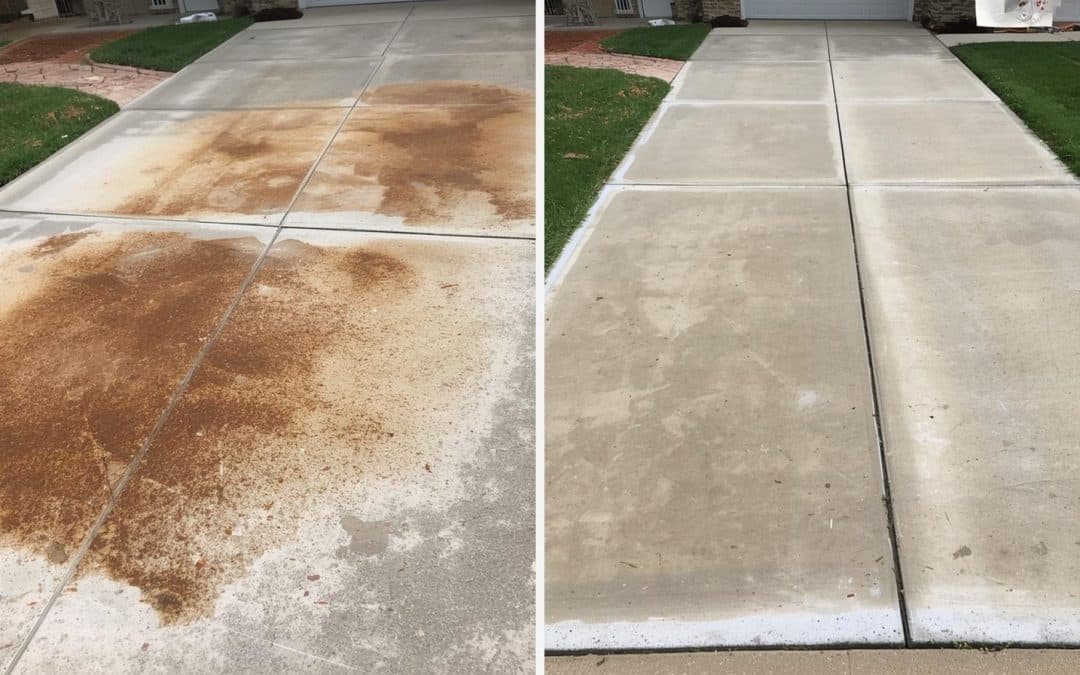
Removing bore water stains requires specialised products matched to your surface type. These iron and manganese deposits bond chemically with materials, so standard pressure cleaning rarely works. X-Fe Forte treats porous surfaces like concrete and brick. Meanwhile, X-Fe handles non-porous materials like glass and metal. Combined with proper application techniques and preventive maintenance, you can eliminate these stubborn rust-coloured marks permanently.
If you’ve noticed unsightly orange, brown, or black stains spreading across your driveway, patio, or building facade, removing bore water stains is essential to restore your property’s appearance. These persistent marks don’t just look bad—they can also permanently damage surfaces if left untreated. Fortunately, understanding what causes bore water stains and how to remove them properly can protect your investment. Moreover, you can eliminate these stubborn deposits for good with the right approach.
What Causes Bore Water Stains on Outdoor Surfaces
Bore water contains naturally occurring minerals that aren’t present in treated mains water. When bore water is used for irrigation or outdoor cleaning, it deposits tiny amounts of dissolved iron and manganese onto surfaces. Initially, these minerals are invisible. However, once exposed to oxygen, they undergo a chemical transformation.
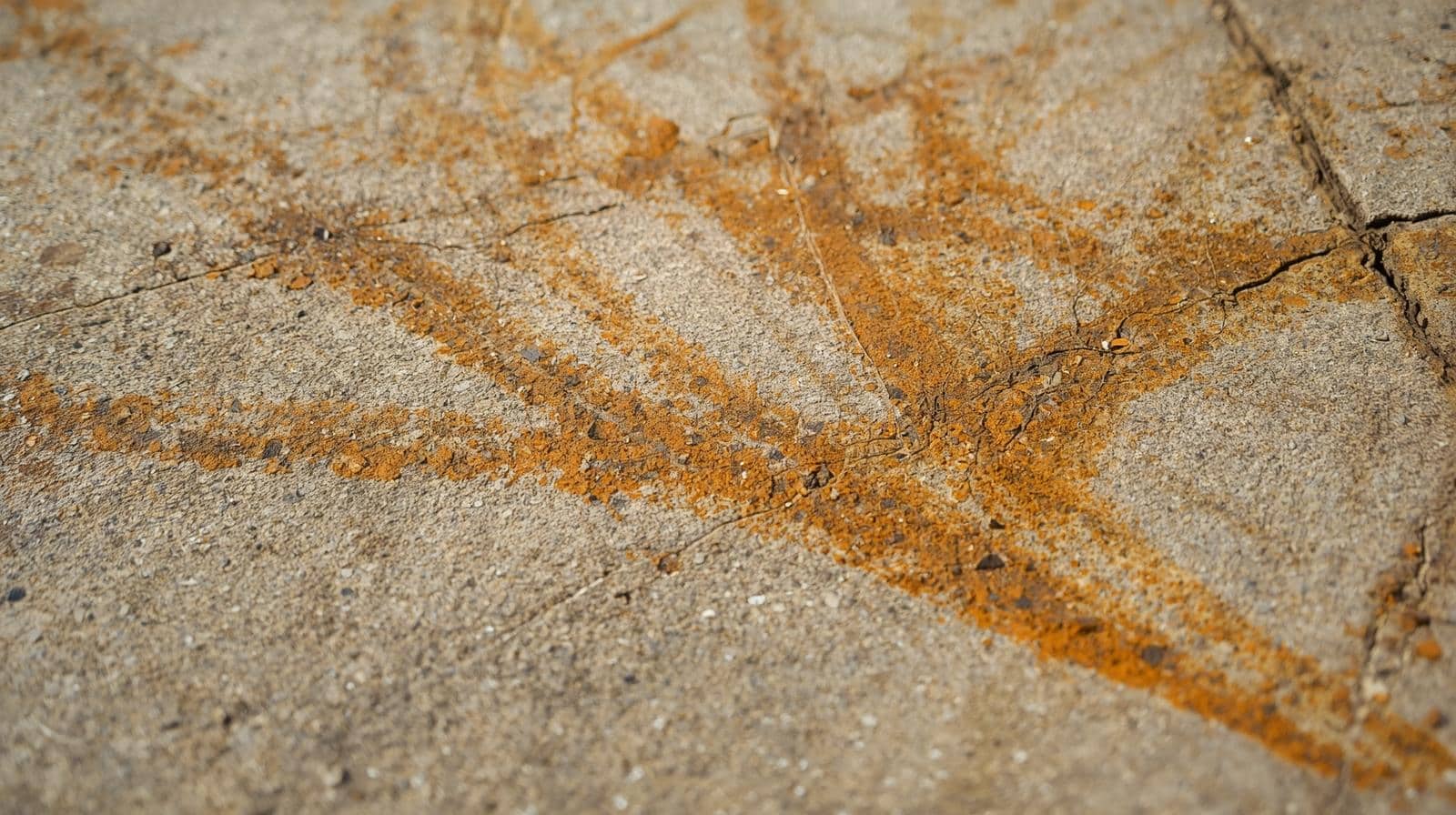
Specifically, iron oxidises and forms rust, creating those characteristic reddish-brown or orange stains. You’ll see them on driveways, pathways, and walls. Similarly, manganese creates darker brown or black deposits. Over time, these minerals accumulate and bond with the surface. This happens particularly on porous materials like concrete, brick, and render. Consequently, the longer the stains remain, the deeper they penetrate. This makes them increasingly harder to remove.
How Bore Water Staining Progresses Over Time
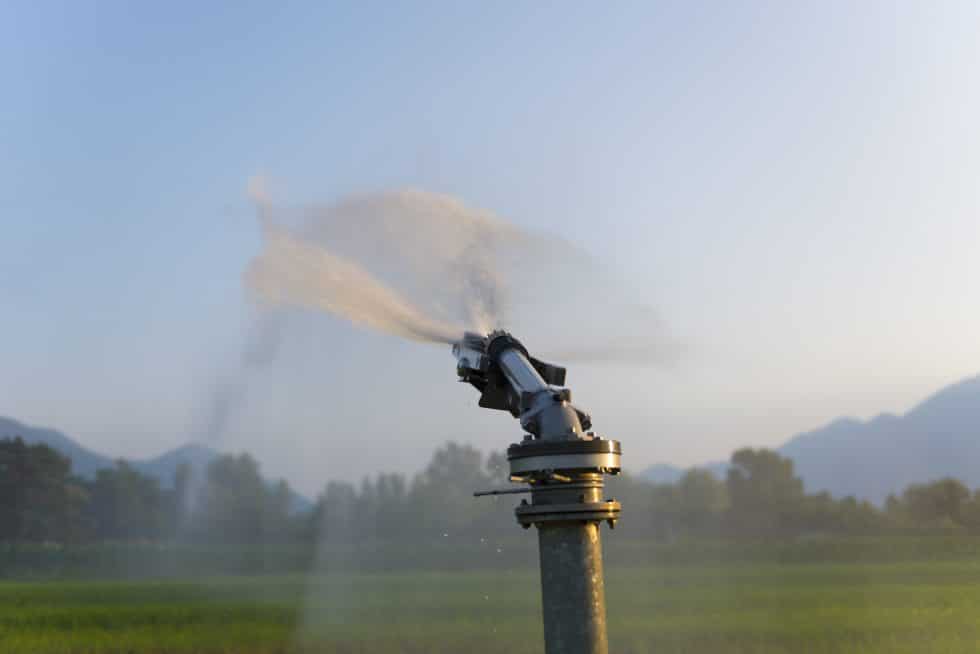
This process happens gradually. As a result, many property owners don’t notice the problem until extensive staining has already occurred. Furthermore, sprinkler systems that regularly spray bore water onto the same areas accelerate the staining process. In turn, they create concentrated patches of discolouration. Ultimately, these can dramatically affect your property’s appearance and curb appeal.
Why Standard Cleaning Methods Fail at Removing Bore Water Stains
Many homeowners reach for a pressure cleaner as their first solution. They assume that high-powered water will blast away the stains. Unfortunately, this approach rarely succeeds when removing bore water stains. While pressure cleaning can remove surface dirt, organic matter, and loose debris, it cannot break the chemical bond between oxidised iron and your hardscape materials.
In fact, the iron oxide has essentially become part of the surface itself. This is particularly true on porous materials where the minerals have penetrated into tiny crevices and pores. Therefore, blasting these areas with water—even at high pressure—doesn’t provide the chemical action needed to dissolve the rust. In some cases, pressure cleaning can even drive the stains deeper into the material. Additionally, it may spread them across a wider area.
Why Chemical Action Is Essential
This is why specialised stain removal products are essential for bore water deposits. Instead, these solutions work chemically to dissolve the iron precipitate. They break it down so it can be rinsed away rather than just pushed around on the surface. Clearly, the right chemical formula makes all the difference between success and frustration.
Choosing the Right Product for Removing Bore Water Stains from Different Surfaces
The key to successfully removing bore water stains lies in matching the right product to your specific surface material. This distinction is crucial. Importantly, porous and non-porous surfaces require different chemical formulations and application methods.

Removing Bore Water Stains from Porous Materials
Porous materials absorb bore water minerals deep into their structure. This includes concrete driveways, exposed aggregate, pavers, brick, sandstone, render, and unsealed natural stone. Therefore, these surfaces need a penetrating formula that can reach below the surface. It must dissolve embedded iron deposits effectively.
Products designed for porous surfaces work by soaking into the material’s structure. First, they react with the iron oxide at depth. Then, they draw the dissolved minerals back to the surface where they can be rinsed away. Typically, the application process involves saturating the stained area. Next, you must allow adequate dwell time for the chemical reaction to occur. Finally, thoroughly rinse with clean water.
For heavily stained concrete or aggregate driveways, you may need to repeat the application. This ensures you fully remove deep-set deposits. However, always test the product on an inconspicuous area first. This ensures compatibility with your specific material. Additionally, follow all safety guidelines regarding protective equipment and ventilation.
Removing Bore Water Stains from Non-Porous Materials
In contrast, non-porous surfaces don’t absorb minerals. Instead, they accumulate surface deposits. This includes glass windows, stainless steel fixtures, PVC pipes, glazed tiles, and painted metal. Accordingly, these materials require a different approach that focuses on surface action rather than penetration.

Stain removers for non-porous surfaces work quickly on contact. They dissolve the iron oxide layer without needing to penetrate the material. Generally, application is simpler and faster. Nevertheless, care must still be taken to avoid contact with surrounding materials. Some may be sensitive to the cleaning solution.
Glass, in particular, requires gentle handling to avoid scratching. When removing bore water stains from windows or glass panels, apply the stain remover with a soft cloth or sponge. Importantly, avoid abrasive pads. Afterwards, rinse thoroughly to prevent streaking.
Step-by-Step Process for Removing Bore Water Stains Safely
Regardless of your surface type, following a systematic approach ensures the best results. Furthermore, this protects both you and your property during the cleaning process when removing bore water stains.

Preparation and Safety
Start by clearing the area of furniture, plants, or decorative items. These might be affected by the cleaning solution. Next, sweep or brush away loose dirt and debris. These can interfere with the stain remover’s effectiveness. If you’re treating a large area, consider working in sections. This maintains control over the process.
Before beginning, put on appropriate safety equipment. This includes gloves and eye protection. Additionally, work in a well-ventilated area, especially when treating indoor surfaces or enclosed spaces.
Application Technique
First, thoroughly wet the stained surface with clean water. This pre-wetting step is important. It helps prevent the cleaning solution from drying too quickly. Otherwise, this can reduce its effectiveness or create uneven results. For porous surfaces, this also helps the product penetrate more evenly.
Then, apply your chosen stain remover according to the product instructions. Ensure complete coverage of all stained areas. Specifically, pay particular attention to heavily discoloured spots. These may need additional product or longer dwell time. Importantly, avoid letting the solution dry on the surface. If it begins to dry before the recommended time has elapsed, mist the area with water. This keeps it active.
Completion and Rinsing
Allow the product to work for the specified time period. During this time, you’ll often see the stain beginning to dissolve and change colour. This is normal. It indicates that the iron oxide is breaking down. For stubborn stains, you may need to gently agitate the surface with a soft brush. This helps lift the dissolved deposits.
Finally, rinse the entire treated area thoroughly with clean water. For best results, use a hose with good pressure. Alternatively, use a pressure cleaner on a gentle setting. This ensures all dissolved iron and cleaning residue is completely removed. Otherwise, any remaining product or dissolved iron left on the surface can cause new staining or discolouration.
Preventing Bore Water Stains After Removal
Once you’ve successfully completed removing bore water stains, taking preventive measures is crucial. These can significantly reduce or eliminate future problems. Indeed, prevention is always easier and more cost-effective than repeated stain removal.
Sealing Porous Surfaces
Consider applying a quality sealer to porous surfaces. This includes concrete, pavers, and natural stone. Essentially, sealers create a protective barrier. They prevent bore water minerals from penetrating into the material’s structure. While sealed surfaces can still develop surface stains, these are much easier to remove. Moreover, they don’t cause permanent discolouration. Typically, sealers need reapplication every few years. This depends on the product and surface traffic.
Adjusting Your Irrigation System
Adjust your irrigation system to minimise bore water contact with vulnerable surfaces. Specifically, redirect sprinklers away from facades, driveways, and pathways where possible. For areas that must receive irrigation, consider installing drip systems. These deliver water directly to plant roots. Consequently, they don’t spray it into the air where it can drift onto hardscapes.
Regular Maintenance Practices
Regular maintenance cleaning can prevent minor deposits from building into serious staining. For example, a quick rinse with mains water after bore water irrigation can wash away minerals. This removes them before they have time to oxidise and bond with surfaces. This simple habit takes only minutes. However, it can save significant effort and expense over time.
Treating Bore Water at the Source
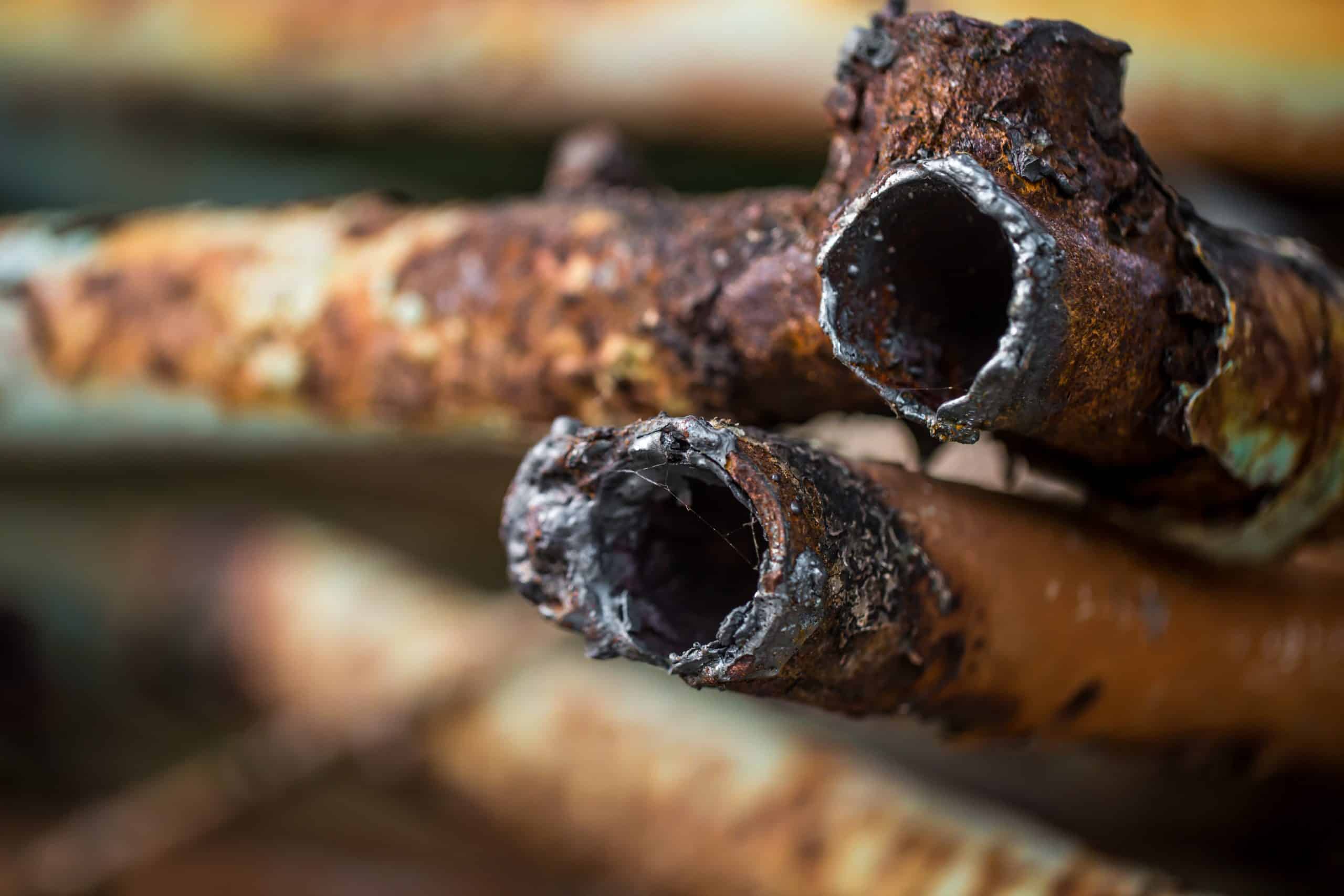
For properties with particularly high iron content in their bore water, installing a filtration system or treatment unit can address the problem at its source. While this represents a larger investment, it protects not only your outdoor surfaces but also your irrigation equipment. Furthermore, it safeguards your plumbing from iron-related damage as well.
When to Seek Professional Advice for Stubborn Stain Removal
While many bore water stains can be successfully removed with the right products and techniques, some situations benefit from expert guidance. If you’re dealing with extensive staining across large areas, professional advice can help. The same applies to unusual surface materials or stains that have been present for many years. Ultimately, expert recommendations can help you avoid costly mistakes and achieve better results.

Material Compatibility Concerns
Technical support is particularly valuable when you’re unsure about product compatibility with your specific surface material. Some materials require special consideration. This includes certain types of natural stone, decorative finishes, and composite materials. They may need testing before full-scale treatment. Therefore, getting expert recommendations can prevent damage. It ensures you’re using the most effective approach for your situation.
Troubleshooting Failed Attempts
If you’ve attempted removing bore water stains without success, there may be factors you haven’t considered. These might include water chemistry issues, application technique problems, or the presence of other types of staining. Fortunately, professional assessment can identify these issues. They can recommend targeted solutions that address the root cause.
Get Expert Advice on Bore Water Stain Removal
Removing bore water stains doesn’t have to be a frustrating battle with your property’s appearance. With the right products matched to your surface type and proper application techniques, you can restore your hardscapes and facades. Additionally, you can implement strategies to prevent future staining as well.
Clearbore offers specialised solutions for Australian bore water problems. These include X-Fe Forte for porous surfaces and X-Fe for non-porous materials. These Australian-made products are specifically formulated to dissolve iron and rust stains safely and effectively. Moreover, they’re backed by over 30 years of proven results.
If you need guidance on the best approach for your specific staining problem, our team is here to help. Perhaps you’d like technical advice on application methods and prevention strategies. We understand Australian bore water challenges. As a result, we can recommend solutions tailored to your situation. Contact us today to discuss your bore water stain removal needs. Alternatively, visit our website to learn more about our complete range of bore water treatment solutions.
FREQUENTLY ASKED QUESTIONS
What are bore water stains and why do they form?
Bore water stains are reddish-brown or black marks caused by dissolved iron and manganese in groundwater. When bore water comes into contact with surfaces and evaporates, these minerals remain behind and oxidise, forming rust-like deposits that bond chemically with the material. The stains worsen over time as minerals accumulate with repeated bore water exposure.
Can I use regular cleaning products to remove bore water stains?
Regular household cleaners and pressure washing typically won’t remove bore water stains because they can’t break the chemical bond between oxidised iron and the surface. You need specialised stain removers that chemically dissolve the iron precipitate. The specific product you need depends on whether your surface is porous (like concrete or brick) or non-porous (like glass or metal).
How long does it take to remove bore water stains?
The removal process typically takes 15 to 30 minutes of active work per section, including application and dwell time. However, heavily stained or porous surfaces may require multiple applications. Once the product has dissolved the iron deposits, thorough rinsing completes the process. Most residential driveways or patio areas can be treated in a single session.
Will bore water stains come back after I remove them?
Stains will return if you continue using bore water on the same surfaces without prevention measures. To minimise recurrence, apply a quality sealer to porous surfaces, redirect irrigation away from hardscapes where possible, and rinse treated areas with mains water after bore water exposure. Regular maintenance cleaning prevents minor deposits from becoming stubborn stains.
Is it safe to remove bore water stains myself or should I hire a professional?
Most bore water stain removal can be safely done as a DIY project if you follow product instructions and use appropriate safety equipment like gloves and eye protection. However, consider professional help for extensive staining across large areas, delicate or expensive materials, or if you’re unsure about product compatibility with your specific surface type.