

Bore stain removers work by dissolving iron oxide deposits that cause unsightly rust-coloured stains on driveways, walls, and outdoor surfaces. Specialist products like X-Fe and X-Fe Forte target different surface types—non-porous and porous respectively—to safely remove stains without scrubbing or damage.
If you’ve noticed stubborn orange, brown, or rust-coloured stains on your driveway, fence, or outdoor surfaces, you need an effective bore stain remover. These marks appear when iron-rich bore water evaporates, leaving behind iron deposits that bond to surfaces over time. While bore water offers a cost-effective irrigation solution across Australia, particularly in regional areas, the iron content can create persistent staining problems that worsen with repeated exposure. Choosing the right bore stain remover makes the difference between effortless restoration and hours of frustrating scrubbing with minimal results.
Understanding how bore stain removers work—and choosing the right product for your specific surface—ensures you protect your surfaces from damage while delivering the clean, restored appearance you’re after. Furthermore, the right approach saves time, effort, and money compared to ineffective household cleaning methods.
What Causes Bore Water Stains?
Bore water stains result from iron oxide, commonly known as rust, that precipitates when iron-rich groundwater comes into contact with oxygen. Australia’s groundwater, especially in regions with iron ore deposits, naturally contains dissolved iron. When bore water is pumped to the surface for irrigation or washing, the iron remains invisible in the water. However, once that water evaporates on your driveway, pavers, walls, or windows, the iron oxidizes and leaves behind visible rust-coloured deposits.
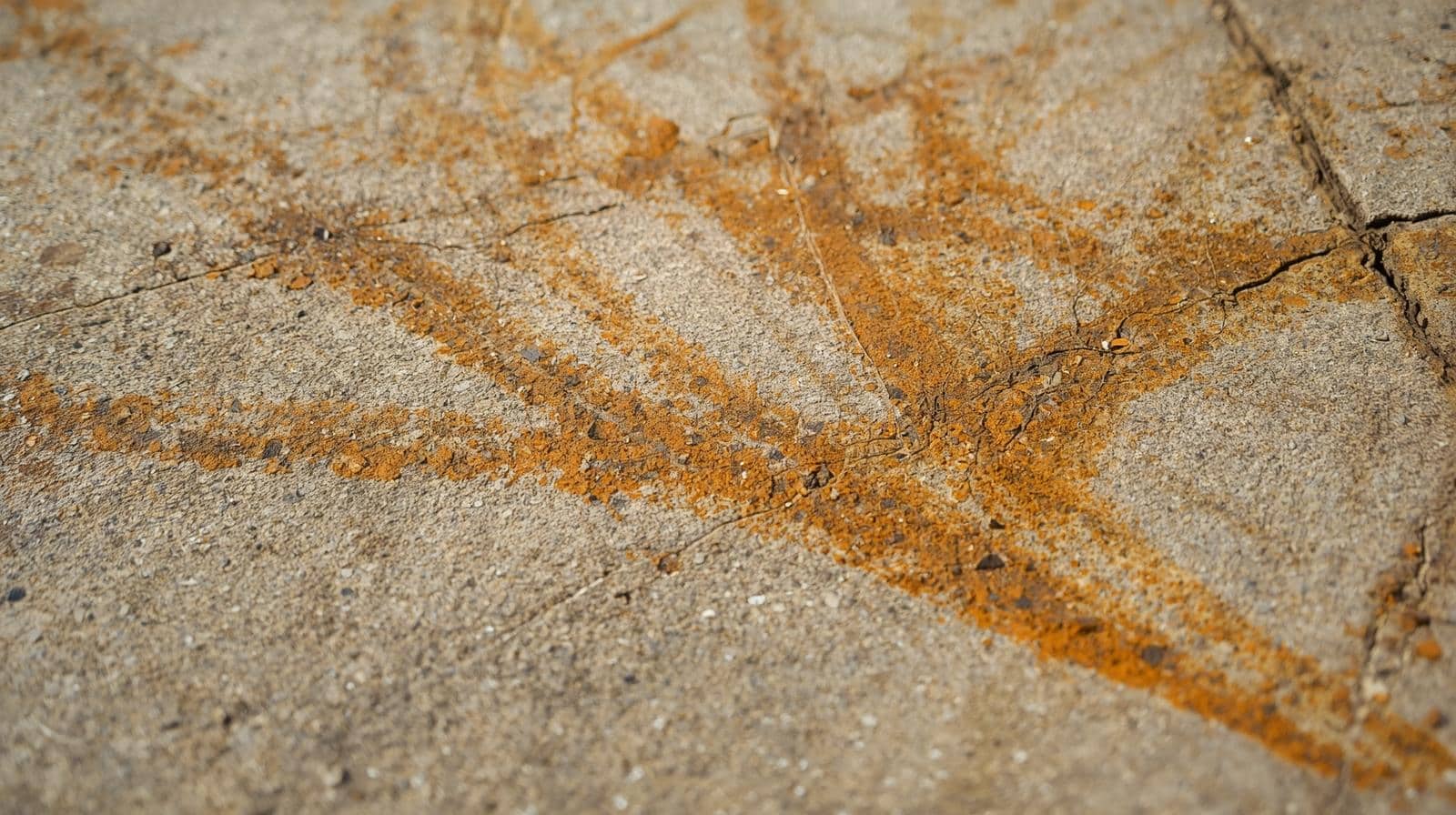
Additionally, iron-related bacteria can accelerate this staining process. These naturally occurring bacteria feed on dissolved iron in bore water, creating biofilms and encrustations that intensify staining. Over time, these deposits build up layer upon layer, creating the stubborn, dark stains that resist conventional cleaning methods.
The staining severity depends on several factors: iron concentration in your bore water, frequency of irrigation or water contact, surface porosity, and environmental conditions such as sun exposure and temperature. Consequently, properties using bore water regularly often see staining progress from light discolouration to deep, ingrained rust marks within months.
Why Bore Stains Are So Difficult to Remove
Unlike dirt or organic stains, iron oxide forms a chemical bond with many building materials. Essentially, the rust becomes part of the surface rather than sitting on top of it. This bonding is particularly strong with porous materials like concrete, brick, limestone, and sandstone, where iron penetrates into the tiny pores and air pockets within the material structure.
Traditional cleaning approaches—pressure washing, household detergents, bleach, or general-purpose cleaners—typically fail because they don’t address the chemical nature of iron oxide. Pressure washing might remove surface dirt but rarely touches bonded iron stains. Meanwhile, bleach can actually set iron stains deeper or cause discolouration on certain surfaces.
Moreover, prolonged exposure to Western Australia’s intense sun accelerates the oxidation process, causing iron deposits to darken and harden. The longer stains remain untreated, the more challenging they become to remove, sometimes reaching a point where removal without surface damage becomes nearly impossible using domestic products. This is precisely why specialist bore stain removers outperform household alternatives.
Understanding Surface Types for Bore Stain Remover Selection
Choosing an effective bore stain remover starts with identifying your surface type, because treatment requirements differ significantly between porous and non-porous materials. This distinction determines which product formulation will safely and effectively remove stains.
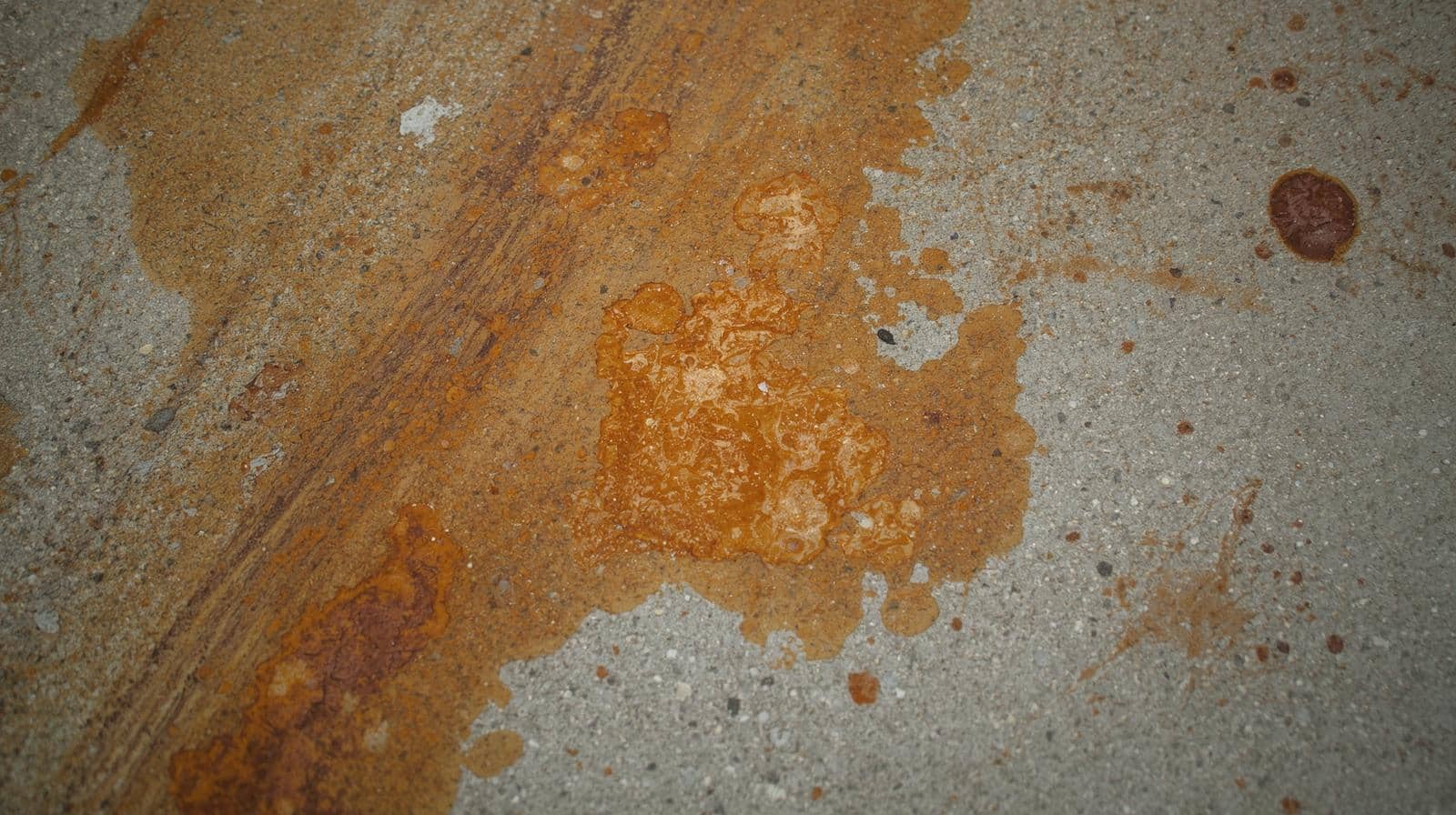
Non-porous surfaces have tight, sealed structures that don’t absorb liquids. These include stainless steel, PVC pipes, poly tanks, glass, glazed tiles, and sealed concrete. On these surfaces, iron stains sit primarily on the surface rather than penetrating deeply. Therefore, they typically respond well to lighter formulations that dissolve iron oxide without aggressive penetration.
Porous surfaces, conversely, have open structures with countless tiny holes that absorb liquids and allow iron particles to penetrate deeply. Common porous materials include unsealed concrete, brick pavers, natural stone, sandstone, limestone, exposed aggregate, and rendered walls. These surfaces require stronger, more penetrating bore stain remover formulations that can reach iron deposits embedded within the material structure.
Using the wrong product type can lead to disappointing results. Applying a non-porous surface cleaner to porous concrete might remove surface staining while leaving deeper deposits untouched. Similarly, using an overly aggressive product on delicate surfaces might cause etching or discolouration.
How Bore Stain Removers Work on Iron Deposits
Specialist bore stain removers function through a targeted chemical process that dissolves iron oxide bonds without damaging the underlying surface. Unlike harsh acids that can etch or discolour materials, properly formulated bore stain removers contain carefully balanced compounds that specifically target iron deposits.
The active ingredients in quality bore stain removers break down the molecular structure of iron oxide, converting the insoluble rust back into a soluble form that can be rinsed away. This process essentially reverses the oxidation that created the stain in the first place. Products designed for this purpose work more efficiently and safely than generic rust removers or household acids.
Biodegradable formulations offer an additional advantage, breaking down naturally after use without harming surrounding vegetation, entering waterways, or affecting septic systems. This environmental consideration is particularly important for residential properties with gardens, lawns, or stormwater drainage nearby.
The application process typically involves applying the bore stain remover directly to dry, stained surfaces and allowing sufficient dwell time for the chemical reaction to occur. During this time, the solution penetrates the stain, breaks down the iron oxide bonds, and prepares the dissolved iron for rinsing. The result is a clean surface without the physical abrasion, damage, or exhaustive scrubbing that other methods require.
Choosing the Right Bore Stain Remover: X-Fe vs X-Fe Forte
Clearbore manufactures two specialized iron stain removers designed for different surface applications: X-Fe for non-porous surfaces and X-Fe Forte for porous surfaces. Understanding the distinction ensures you select the right bore stain remover for your specific staining problem.

X-Fe is formulated for non-porous surfaces where iron stains remain primarily on the surface. This includes stainless steel fixtures, PVC and poly pipes, water tanks, irrigation equipment, glass windows, glazed tiles, and sealed surfaces. The formulation works quickly to dissolve surface-level iron oxide without the aggressive penetration needed for porous materials.
X-Fe Forte features a stronger formulation designed to penetrate porous materials and reach iron deposits embedded deep within the surface structure. This product is ideal for unsealed concrete driveways, brick pavers, natural stone pathways, limestone walls, sandstone features, exposed aggregate, rendered surfaces, and unglazed tiles. The enhanced penetration capability ensures thorough stain removal from materials that have absorbed iron-rich water over time.
Both products dissolve iron oxide effectively, but their differing strengths and penetration characteristics make surface-appropriate selection essential. Using X-Fe on deeply stained porous concrete might deliver incomplete results, while X-Fe Forte provides the penetration power needed for thorough cleaning on such surfaces.
Application Best Practices for Bore Stain Removers
Achieving optimal results with bore stain removers requires following proper application techniques. While these products are designed for ease of use, attention to application details ensures the best outcomes while protecting both the surface and surrounding areas.
Start by ensuring the stained surface is completely dry. Moisture dilutes the product and reduces its effectiveness, so choose a dry day and allow wet surfaces adequate drying time. Next, remove any loose dirt, debris, or organic matter through sweeping or light rinsing well before product application.
Apply the bore stain remover directly to the stained area, ensuring complete coverage of all affected surfaces. The product needs sufficient contact time to break down iron oxide bonds, so follow the manufacturer’s recommended dwell time. Resist the temptation to rinse too early, as this prevents the chemical reaction from completing.
During application, protect nearby plants by covering them or wetting surrounding vegetation beforehand, even with biodegradable products. Similarly, avoid application on extremely hot surfaces or in direct intense sunlight, as rapid evaporation can reduce effectiveness.
After the appropriate dwell time, rinse the treated area thoroughly with clean water. For non-porous surfaces, a standard hose rinse typically suffices. Porous surfaces may benefit from gentle agitation with a soft brush during rinsing to help lift dissolved iron from within the material structure. Finally, allow the surface to dry completely to assess results and determine whether a second application is needed for particularly stubborn or old stains.
Preventing Future Bore Water Stains
While effective bore stain remover treatment restores your surfaces, prevention strategies help maintain that clean appearance and reduce future treatment needs. Although completely eliminating bore stain risk while continuing to use bore water irrigation is challenging, several approaches minimize staining severity and frequency.
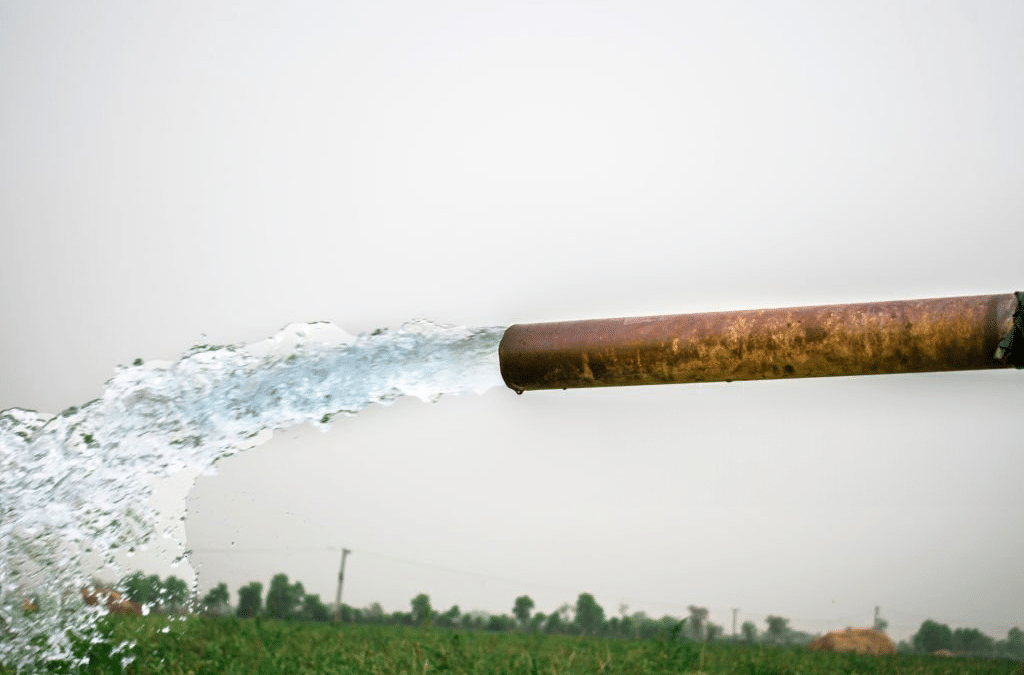
Regular bore maintenance with products like Clearbore helps reduce iron bacteria populations and iron build-up within your bore system itself. A cleaner bore and pump deliver water with less suspended iron and fewer bacteria, reducing the staining potential at the source.
Adjusting irrigation timing makes a significant difference. Water in the early morning or late evening rather than midday, giving moisture time to soak into soil rather than evaporating rapidly on hard surfaces. Additionally, redirect sprinklers away from buildings, fences, driveways, and other stain-prone surfaces where practical.
Applying protective sealants to porous surfaces creates a barrier that resists iron penetration. Sealed concrete and pavers experience lighter staining that’s easier to remove compared to unsealed materials. Regular reapplication maintains this protective layer over time.
Finally, addressing stains promptly prevents them from deepening and becoming more difficult to remove. Light, fresh staining responds much better to treatment than dark, long-established deposits. Regular inspection and early treatment create a maintenance cycle that keeps staining manageable.
Why Australian-Made Bore Stain Removers Matter
Choosing Australian-made bore stain removers offers advantages beyond supporting local manufacturing. Products developed and tested in Australian conditions specifically address the iron staining challenges common to our groundwater, climate, and building materials.
Clearbore products have been refined over more than 30 years of use across diverse Australian applications, from agricultural operations to municipal facilities to residential properties. This extensive field experience translates into formulations proven effective on the surfaces, water chemistry, and staining severity typical of Australian conditions.
Local manufacturing also ensures consistent product availability, technical support from experienced Australian staff, and compliance with Australian safety and environmental standards. Furthermore, established Australian companies maintain accountability and customer service commitments that overseas or generic products may not offer.
The combination of Australian-specific formulation, decades of proven performance, biodegradable composition, and local expertise makes Australian-made products like X-Fe and X-Fe Forte the reliable choice for addressing bore water staining problems effectively and safely.
Get Professional Advice for Your Bore Stain Problems
Bore water stains don’t have to be a permanent feature of your property. Understanding how specialist bore stain removers work and choosing the right product for your surface type delivers the clean, restored appearance you want without damaging your valuable outdoor surfaces.

Whether you’re dealing with stained concrete, brick pavers, windows, or irrigation equipment, products like X-Fe and X-Fe Forte offer safe, effective, biodegradable solutions specifically formulated for Australian bore water conditions. Proper product selection and application technique make all the difference between frustrating scrubbing and effortless stain removal.
If you’re unsure which bore stain remover suits your situation or need guidance on treating stubborn stains, reach out to the Clearbore team for expert technical advice. With over 30 years of experience solving bore water staining problems across Australia, we’ll help you identify the right approach for your specific needs and restore your surfaces to their original condition.
FREQUENTLY ASKED QUESTIONS
What removes bore water stains from concrete?
Bore water stains on concrete require a penetrating stain remover designed for porous surfaces. X-Fe Forte is specifically formulated to reach iron deposits embedded in concrete, dissolving the rust bonds without damaging the surface. Apply the product to dry concrete, allow adequate dwell time, then rinse thoroughly for best results.
Can I use vinegar to remove bore water stains?
While vinegar has mild acidic properties, it’s generally ineffective against established bore water stains. The iron oxide bonds are too strong for household vinegar to break down efficiently. Specialist bore stain removers contain targeted compounds that dissolve iron oxide far more effectively than vinegar, saving you time and delivering better results.
How often should I treat bore water stains?
Treatment frequency depends on staining severity and bore water usage. For prevention, address light staining as soon as you notice it—fresh stains respond much better than old, darkened deposits. Properties using bore water heavily for irrigation may need seasonal treatments, while others might treat annually or as needed based on visible staining.
Is X-Fe safe for plants and pets?
X-Fe and X-Fe Forte are biodegradable formulations that break down naturally. However, as with any cleaning product, protect nearby vegetation during application by covering plants or wetting foliage beforehand. Keep pets away from treated areas until completely rinsed and dried. Follow all label instructions and safety recommendations.
What’s the difference between bore cleaning and stain removal products?
Bore cleaning products like Clearbore treat iron bacteria and deposits inside your bore, pumps, and pipes, addressing the source of high iron content. Stain removal products like X-Fe and X-Fe Forte treat the surface stains that result when iron-rich water evaporates on driveways, walls, and other outdoor surfaces. Both play complementary roles in comprehensive bore water management.