

Bore water cleaners like Clearbore effectively dissolve iron bacteria biofilms and iron oxide encrustations that reduce bore yield and water quality. Biodegradable, Australian-made solutions ensure safe, efficient bore rehabilitation without dismantling pumps or screens, extending equipment life and restoring flow rates across agricultural, residential, and commercial applications.
Reduced water flow from your bore isn’t always a sign of aquifer depletion. Instead, iron-related fouling often blocks your screens, pumps, and pipes. Across Australian agricultural regions, iron bacteria and iron oxide build-up are the leading causes of bore performance decline. Consequently, these contaminants affect everything from irrigation efficiency to pump longevity. Understanding how bore water cleaners work helps you choose the right solution. As a result, you can restore your water supply without costly drilling or equipment replacement.
Understanding Bore Water Contamination
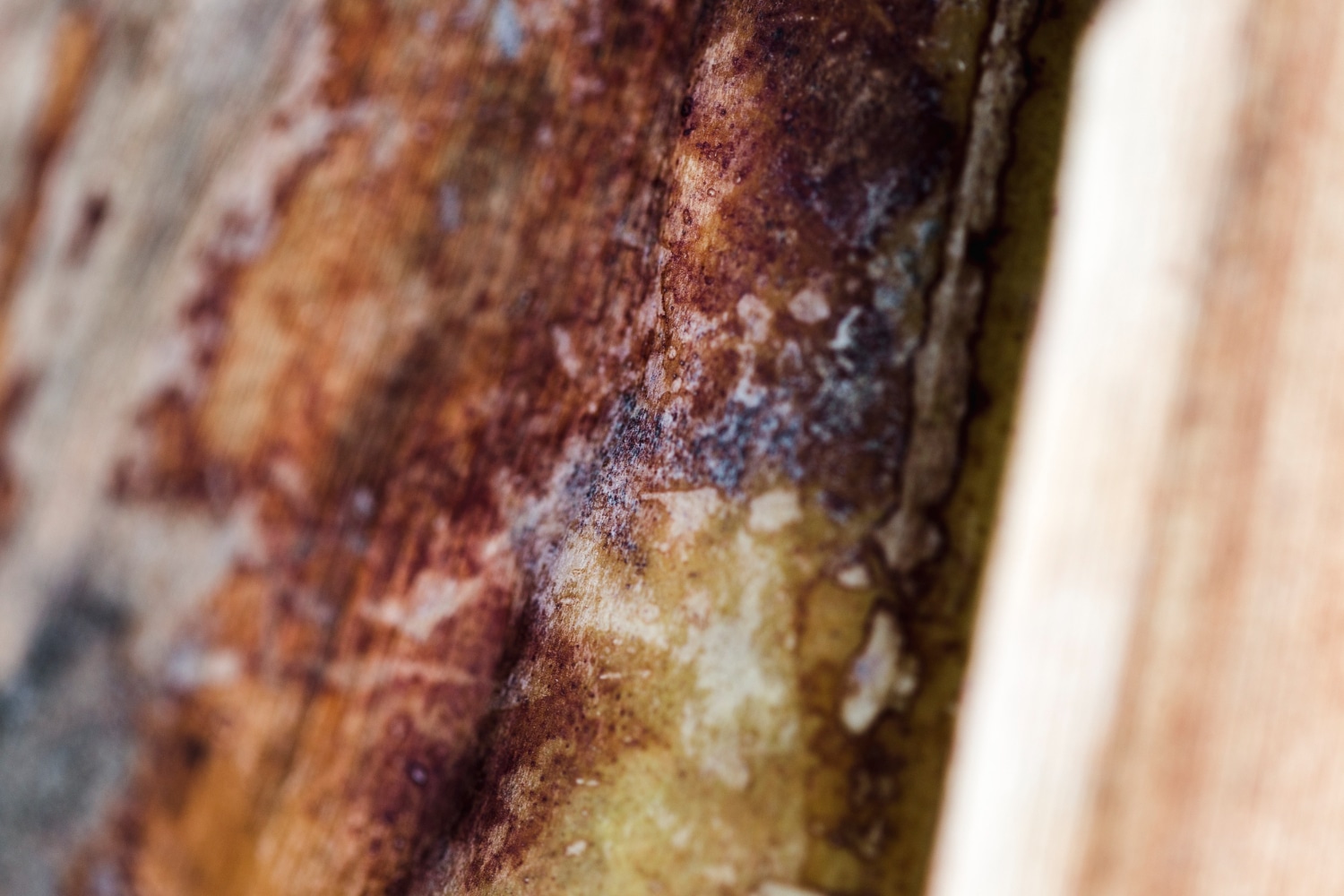
Water bores operate in complex underground environments where dissolved iron and naturally occurring bacteria create ongoing maintenance challenges. The orange-brown staining you see on irrigation equipment or the reduced pressure at your taps often signals one of two distinct contamination types. Each requires specific treatment approaches.
Iron Bacteria vs Iron Oxide Build-Up
Iron-related bacteria (IRB) are naturally occurring microorganisms that oxidise dissolved iron and manganese in groundwater. Subsequently, they create thick biofilms and slimy encrustations throughout bore systems. While these bacteria don’t pose health risks, they cause significant operational problems. Specifically, IRB precipitate iron into gelatinous masses that clog screens, reduce bore capacity, and create ideal environments for further bacterial growth.
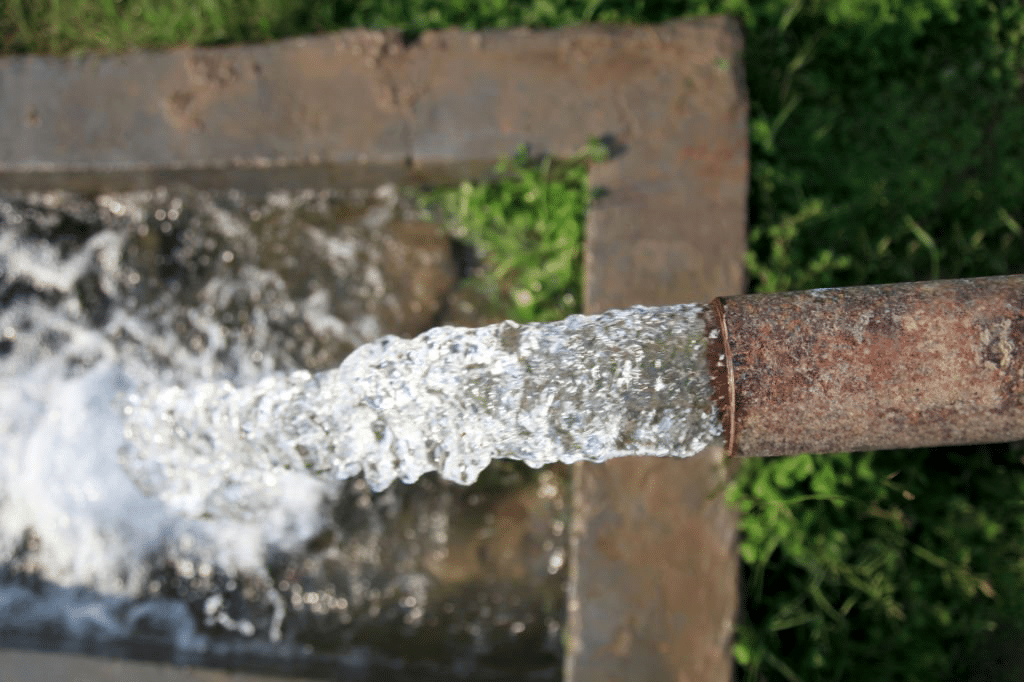
Iron oxide, by contrast, is a chemical precipitate formed when dissolved ferrous iron in groundwater contacts oxygen during pumping. This process creates hard, rust-coloured scale that accumulates on pump components, bore screens, and pipe walls. Where iron bacteria create soft, slimy deposits, iron oxide forms brittle, crystalline encrustations. These deposits mechanically restrict water flow and damage equipment through abrasion.
The distinction matters because effective bore rehabilitation requires addressing both contamination types. Iron bacteria thrive in the upper sections of bore screens where oxygenation and turbulence are highest. Meanwhile, iron oxide accumulates wherever dissolved iron encounters air—including pump intakes, rising mains, and irrigation systems.
Signs Your Bore Needs Cleaning
Recognising early warning signs prevents minor fouling from escalating into expensive bore failure. Therefore, monitoring your bore’s performance is essential.
Decreased Water Yield
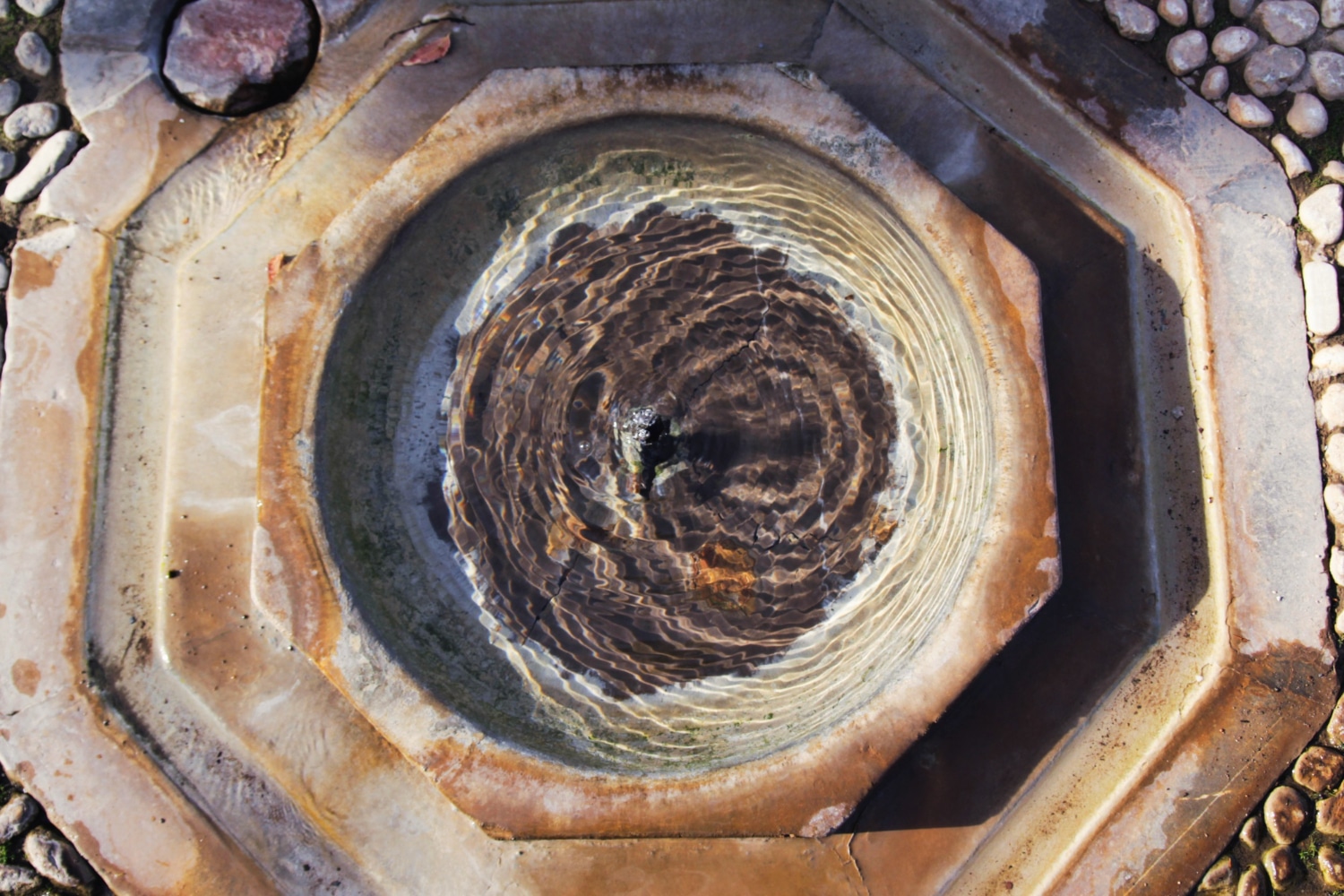
Flow rate reduction is often the first indicator. Biofilms and encrustations gradually narrow the effective diameter of screens and pipes. As a result, you might notice the pump running longer to deliver the same volume. Additionally, pressure may drop at irrigation points furthest from the bore.
Water Quality Deterioration
Quality issues typically follow yield reduction. For instance, brown, orange, or red discolouration during pump start-up indicates iron oxide particles dislodging from pipe walls. Similarly, unpleasant metallic tastes or musty odours signal iron bacteria activity. Furthermore, surface staining appears on concrete, pavers, irrigation equipment, and vegetation. Aesthetic issues are particularly problematic for councils, golf courses, and commercial properties where appearance matters.
Increased Operating Costs
Power consumption and pump maintenance costs provide financial evidence of fouling. Pumps work harder against restricted flow, consequently drawing more electricity and experiencing accelerated wear. Moreover, frequent pump repairs, shortened equipment life, and rising energy bills all point to bore contamination requiring professional cleaning intervention.
How Bore Water Cleaners Work
Effective bore water cleaners use targeted chemistry to dissolve, disperse, and remove iron-related contamination. They achieve this without damaging bore infrastructure or surrounding aquifers. The best solutions combine powerful cleaning action with environmental safety. Therefore, treated water can be safely discharged and bores quickly returned to service.
Chemical vs Mechanical Cleaning Methods
Mechanical cleaning methods—including airlift development, surge blocks, and high-pressure jetting—physically dislodge encrustations through force and turbulence. While effective for heavy scale, mechanical approaches risk damaging screens, gravel packs, and formation materials. Furthermore, they struggle to reach biofilms deep within screen slots and pump components without complete equipment removal.
Chemical cleaning with biodegradable bore water cleaners offers gentler, more thorough rehabilitation. Products like Clearbore penetrate biofilms and dissolve iron oxide scale without mechanical stress. Importantly, they reach contamination in screen slots, pump impellers, and pipe threads that mechanical methods miss. The dissolved material then flushes out during post-treatment pumping, restoring full bore capacity without dismantling equipment.
The most effective rehabilitation programs combine both approaches. First, chemical treatment dissolves encrustations, followed by gentle mechanical agitation to ensure complete removal. This integrated method maximises cleaning efficiency while minimising infrastructure stress.
Choosing the Right Bore Water Cleaner
Not all bore water cleaners deliver equal results. Selecting inappropriate products can damage equipment, contaminate aquifers, or fail to resolve fouling issues. Australian conditions—including high iron prevalence in many groundwater systems and strict environmental regulations—demand purpose-designed solutions.
Biodegradable vs Chemical Solutions
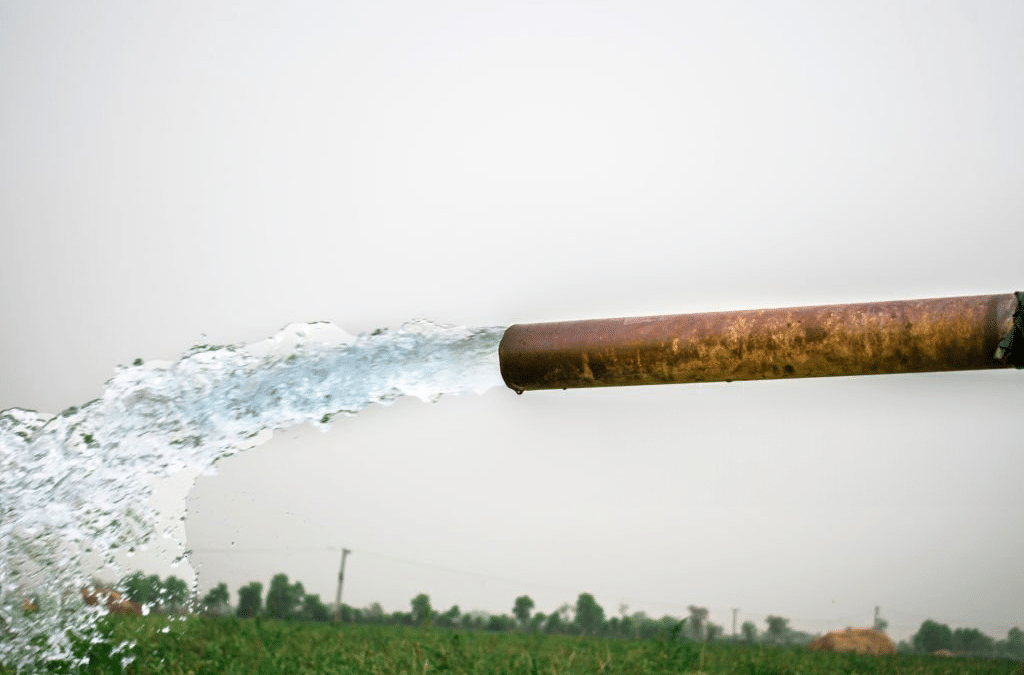
Biodegradable bore water cleaners like Clearbore use naturally derived acids and chelating agents. These components break down completely after treatment, leaving no persistent residues in aquifers or soil. Consequently, this environmental safety allows treated water to be used for irrigation immediately after flushing. That’s critical for agricultural operations where downtime costs money.
Harsh chemical cleaners containing hydrochloric acid or other corrosive agents offer aggressive cleaning but pose significant risks. Corrosive formulations can damage stainless steel screens and PVC casing. Moreover, these products may harm beneficial aquifer bacteria and require special handling, storage, and disposal. Discharge restrictions often prevent irrigation use for extended periods, creating operational disruptions.
The Australian-made Clearbore formulation has proven effective for over 30 years precisely because it balances cleaning power with safety. Pump installers, agricultural operations, councils, and mining sites trust it across Queensland, Western Australia, Northern Territory, South Australia, New South Wales, and Victoria—regions where iron fouling is endemic.
Safety Considerations for Australian Conditions
Australian bore systems serve diverse applications—from potable water supplies to livestock watering, irrigation, and industrial processes. Therefore, bore water cleaners must meet strict safety standards for these varied uses. Safety is particularly important where treated water contacts crops, animals, or enters the food chain.
Material Compatibility
Material compatibility is crucial for Australian bore infrastructure. Many older bores use galvanised steel casing, while modern installations favour stainless steel screens and PVC rising mains. Your bore water cleaner must effectively clean all these materials without causing corrosion, embrittlement, or degradation. Proper dosage calculations based on bore diameter, depth, and contamination severity ensure safe, effective treatment.
Preventive Maintenance for Long-Term Bore Health
Reactive bore cleaning addresses existing contamination. However, preventive maintenance programs deliver better long-term value by minimising fouling before it impacts performance. Regular monitoring and scheduled treatments keep bores operating at peak efficiency year-round.
Regular Maintenance Schedules
Establish a bore maintenance calendar based on your water chemistry, usage patterns, and historical fouling rates. High-iron groundwater systems benefit from annual or bi-annual preventive treatments. Proactive scheduling applies even when no performance decline is apparent, dissolving minor biofilm and scale accumulation before it becomes problematic.
Agricultural operations should schedule maintenance during low-demand periods. After harvest or before irrigation season begins works well. Timing minimises operational disruption and ensures bores deliver maximum flow when water demand peaks. Similarly, councils and commercial facilities can align bore maintenance with other scheduled infrastructure servicing.
Performance Monitoring Between Treatments
Monitor key performance indicators between treatments. Track flow rate, power consumption, and water quality parameters (iron, manganese, turbidity).
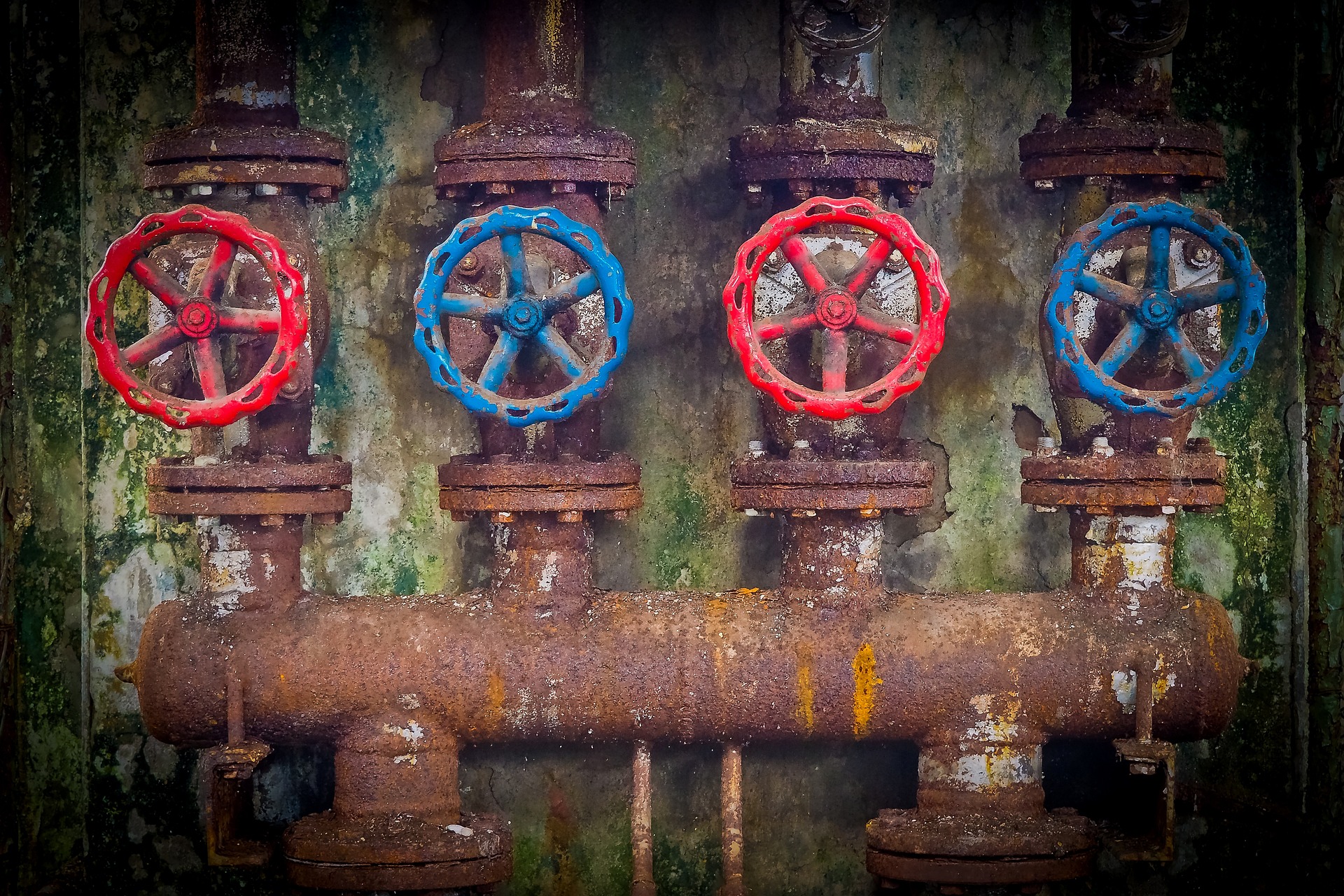
Additionally, visually inspect irrigation equipment for staining. Declining trends signal the need for intervention before major fouling develops.
Water Quality Testing
Regular water testing provides early warning of iron bacteria activity and oxide formation. Simple field tests measure iron concentration. Meanwhile, laboratory analysis identifies specific bacteria types and contamination sources. Baseline testing before treatment and follow-up testing afterwards documents cleaning effectiveness while guiding future maintenance intervals.
Understanding Test Results
Iron levels above 0.3 mg/L typically cause staining and fouling issues. Similarly, manganese above 0.1 mg/L contributes to similar problems. Elevated readings combined with declining bore performance indicate active contamination requiring treatment. Tracking these parameters over time helps predict when preventive maintenance will be needed.
Professional bore inspectors can perform downhole camera surveys. Visual assessments examine screen condition, biofilm thickness, and scale accumulation. Direct observation complements water testing and provides definitive evidence of contamination severity and treatment success.
Restore Your Bore Performance with Proven Australian Solutions
Iron bacteria and oxide build-up don’t have to mean expensive bore replacement or declining water yields. Effective bore water cleaners like Clearbore offer safe, proven solutions for restoring bore performance. They work across agricultural, residential, and commercial applications throughout Australia. With over 30 years of trusted use, biodegradable formulations, and comprehensive technical support, you can maintain peak bore efficiency year-round.
Whether you’re managing irrigation systems across thousands of hectares, maintaining council parks and gardens, or ensuring reliable water supply for your home, regular bore cleaning protects your investment. It delivers consistent water quality. Calculate your dosage accurately, follow proven application methods, and establish preventive maintenance schedules to keep your bore operating at maximum capacity.
Don’t wait for complete bore failure to address iron fouling. Explore the complete range of Clearbore products designed specifically for Australian water conditions. Contact our technical team for dosage advice tailored to your specific bore configuration and water chemistry. Clean water starts with a clean bore—take action today to restore your water supply’s full potential.
FREQUENTLY ASKED QUESTIONS
How often should I clean my bore with a bore water cleaner?
Cleaning frequency depends on your groundwater iron levels and bore usage patterns. High-iron systems typically benefit from annual preventive treatments. In contrast, moderate iron levels may only require cleaning every 2-3 years. Monitor flow rates, power consumption, and water quality—declining performance indicates the need for treatment. Agricultural operations should clean bores before irrigation season begins. Meanwhile, residential users can schedule treatments when staining or flow reduction becomes noticeable.
Can I use bore water for irrigation immediately after cleaning?
Yes, when using biodegradable bore water cleaners like Clearbore. After the 24-48 hour contact period, pump the bore to waste until water runs clear. Flushing typically takes 30-60 minutes of continuous pumping. Once iron levels return to normal and water clarity improves, the treated water is safe for irrigation, livestock watering, and other agricultural uses. However, harsh chemical cleaners may require extended flushing periods and soil testing before irrigation use.
What’s the difference between iron bacteria and iron oxide in bore water?
Iron bacteria are living microorganisms that oxidise dissolved iron. They create slimy biofilms and gelatinous encrustations throughout bore systems. In contrast, iron oxide is a chemical precipitate (rust) formed when dissolved iron contacts oxygen during pumping. It creates hard scale deposits. Iron bacteria produce soft, brown-orange slime with musty odours. Conversely, iron oxide forms brittle, rust-coloured scale. Both reduce bore performance, but iron bacteria also create ideal conditions for further contamination. Effective bore water cleaners address both contamination types simultaneously.
Is bore water cleaner safe for stainless steel screens and PVC casing?
Quality biodegradable bore water cleaners are specifically formulated for compatibility with all common bore materials. Compatible materials include stainless steel screens, galvanised steel casing, PVC pipes, and brass fittings. Unlike harsh acids that can corrode metal components or embrittle plastics, products like Clearbore use chelating agents and controlled pH levels. These dissolve iron contamination without damaging infrastructure. Nevertheless, always verify material compatibility in the product’s safety data sheet. Follow recommended dosage guidelines to ensure safe, effective treatment.
How do I calculate the correct dosage of bore water cleaner for my bore?
Calculate dosage based on bore diameter and water column height (total depth minus static water level). A 100mm bore holds 7.85 litres per metre. Similarly, a 150mm bore holds 17.7 litres per metre, while a 200mm bore holds 31.4 litres per metre. Multiply litres per metre by water column height to find total volume. For light fouling, use a 2.5% solution (2.5kg per 100 litres). For heavy contamination, use a 5% solution (5kg per 100 litres). For example: A 150mm bore with 30m of water contains 531 litres, requiring 26.5kg of Clearbore for a 5% treatment.